Common Fallacies
Common fallacies are mistakes in reasoning that make arguments seem true when they're actually not valid.
Kurze Einführung
Just like there are rules for playing a game fairly, there are rules for making good arguments. Common fallacies are like 'trick plays' that might look convincing but don't actually follow the rules of logical thinking. Understanding these fallacies helps us make better decisions and avoid being misled by faulty arguments. 🤔
Haupterklärung
Ad Hominem (Attack the Person) 🎯
Instead of addressing someone's argument, you attack their character. It's like saying 'Don't listen to Jamie's ideas about healthy eating because they were overweight once' - the person's past doesn't necessarily make their current argument wrong.
False Cause (Post Hoc) ⚡
Assuming that because one thing happened after another, the first thing caused the second. It's like thinking your lucky socks helped your team win because you wore them during the game.
Bandwagon Appeal 🚂
Believing something is true just because many other people believe it. It's like choosing a restaurant just because it's crowded, without considering the actual food quality.
Straw Man 🎭
Misrepresenting someone's argument to make it easier to attack. It's like saying 'You want to study more? So you think we should never have fun again!' when that's not what they meant at all.
Beispiele
- During a debate about city planning, instead of discussing the merits of building a new park, someone says 'Why should we listen to the mayor's proposal? She didn't even grow up in this city!' This is an ad hominem fallacy. 🏛️
- A student starts wearing a red hat while studying and gets good grades. They conclude the red hat makes them smarter, ignoring their increased study time. This is a false cause fallacy. 📚
- Your friend refuses to try a new restaurant because 'nobody goes there.' When asked how they know the food isn't good, they say 'Well, if it was good, it would be crowded!' This is a bandwagon fallacy. 🍽️
Jedes Fach in 3 einfachen Schritten beherrschen
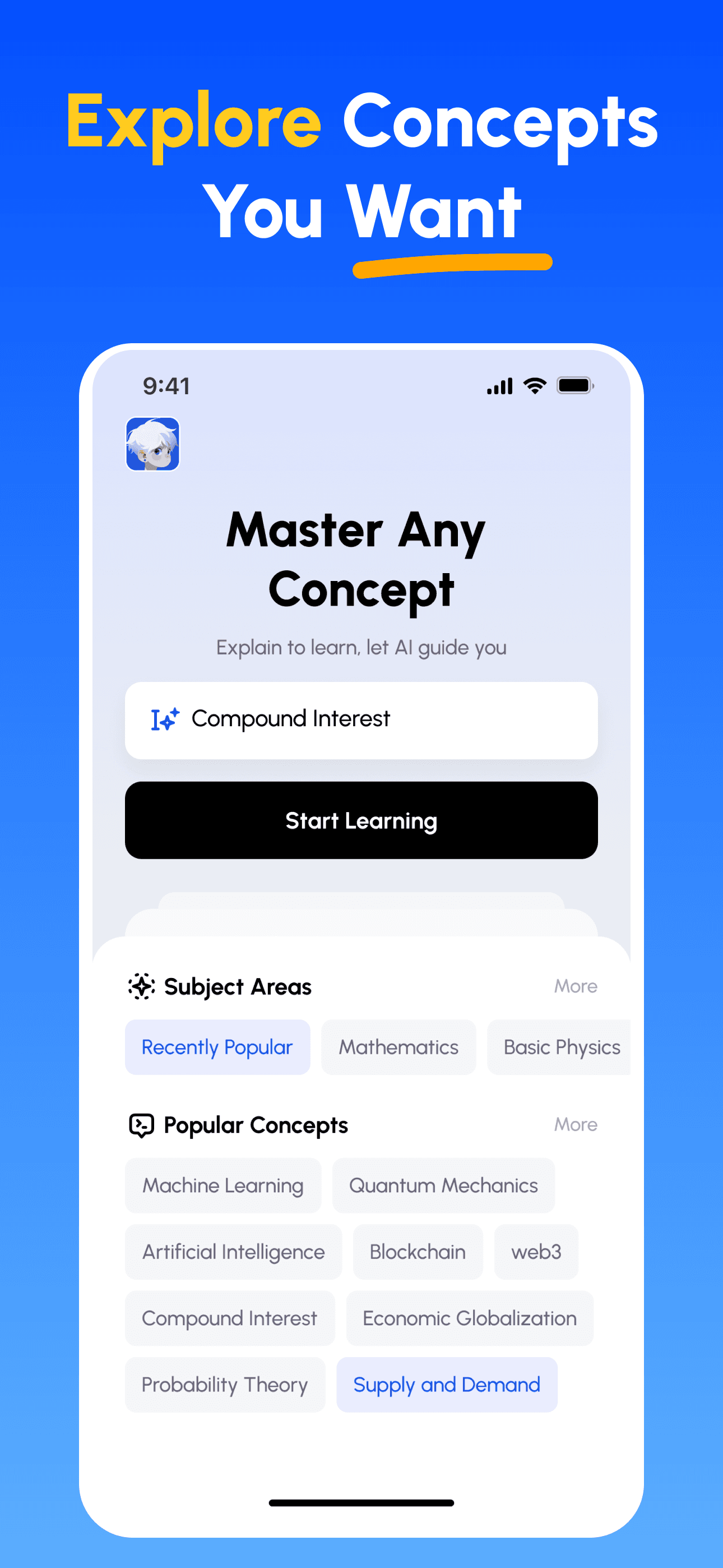
- Lernziel auswählen: Wählen Sie aus hunderten von Konzepten aus MINT, Wirtschaft, Geisteswissenschaften und beruflichen Kompetenzen. Zerlegen Sie komplexe Themen in überschaubare Einheiten.
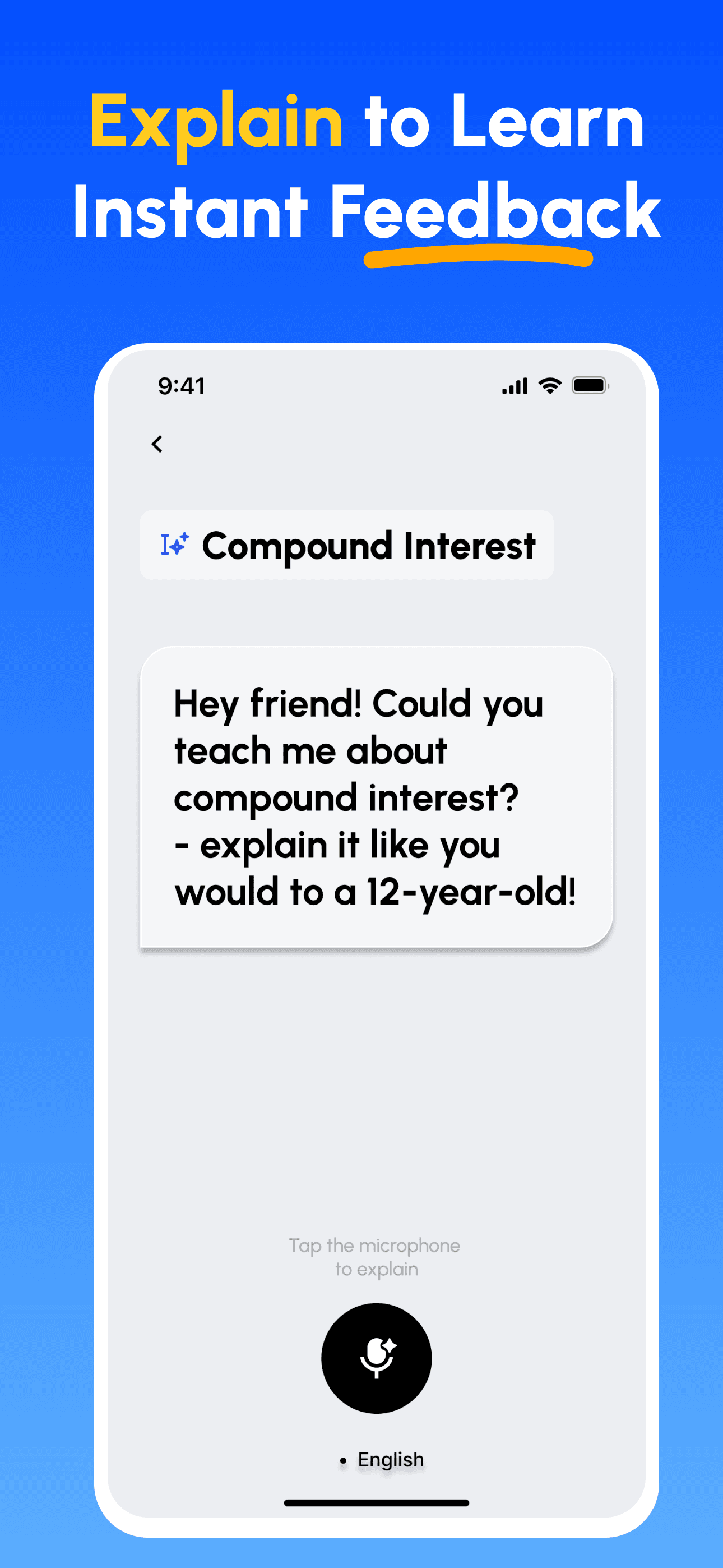
- Durch Lehren lernen: Nutzen Sie unsere KI-gestützte Plattform, um Konzepte zu erklären, als würden Sie andere unterrichten. Entdecken und schließen Sie Wissenslücken sofort.
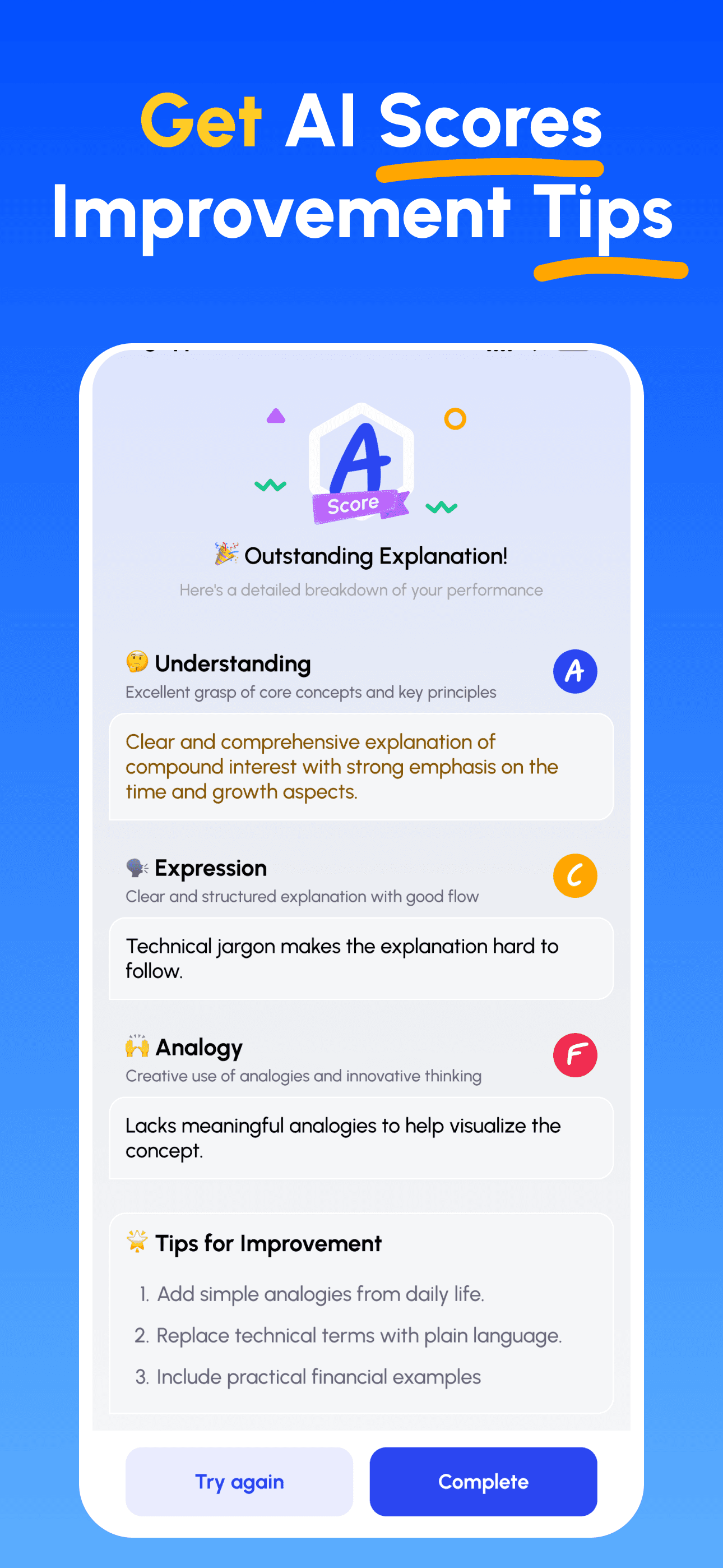
- Professionelle KI-Anleitung erhalten: Erhalten Sie sofortiges, detailliertes Feedback zu Ihrem Verständnis, Ihrer Erklärungsklarheit und Ihren praktischen Anwendungsfähigkeiten.
- Bewertungen prüfen & verbessern: Gezielte Tipps befolgen, Erklärung verfeinern und iterieren, bis Sie es einfach lehren können.
Feynman AI jetzt herunterladen
Starten Sie heute Ihre Reise zu besserer Kommunikation!