Evidence Testing
Evidence testing is checking if information or proof supports an idea to see if it's likely true. 🤔
간단 소개
Evidence testing is like being a detective 🕵️♀️. When we have an idea or a theory, we need to see if there's any evidence to support it. It's used to determine if our beliefs are accurate and reliable, preventing us from making decisions based on incorrect information.
주요 설명
Gathering the Evidence 🔍
First, you need to collect all the available information related to your idea. This could involve doing research, conducting experiments, or making observations. For example, if you think that a certain type of fertilizer makes plants grow faster, you'd need to set up an experiment to test different fertilizers on different plants and record the results.
Analyzing the Evidence 📊
Once you have your evidence, you need to examine it carefully to see if it truly supports your idea. Are there patterns or trends that support your claim? Is the evidence reliable and unbiased? Using the fertilizer example, you'd need to analyze the growth data for each plant group to see if the plants with the special fertilizer consistently grew faster than those with other fertilizers or no fertilizer at all.
Considering Alternative Explanations 🤔
It's important to think about other possible reasons for the evidence you've found. Maybe something else caused the plants to grow faster, like more sunlight or more water. Ruling out these other explanations strengthens the case for your original idea. You might compare the amount of sunlight and water each plant received to check if those were factors.
Drawing Conclusions ✍️
After gathering, analyzing and considering alternatives, you can draw a conclusion about whether the evidence supports your idea. If the evidence consistently points to your idea being correct, you can say it is supported by the evidence. If the evidence is mixed or doesn't support your idea, you might need to revise your idea or look for more evidence. If the fertilizer consistently made plants grow faster, and other factors were ruled out, you could conclude that the fertilizer is effective.
예시
- Imagine you're trying to figure out why your car won't start. You check the battery, the fuel gauge, and listen for any strange noises. Each check is a test, and the results (evidence) help you narrow down the problem. If the battery is dead, that's evidence the battery needs replacing. 🚗
- A doctor diagnosing an illness uses evidence testing. They ask about symptoms, run tests (like blood work), and consider your medical history. Each piece of information is evidence that helps them determine the correct diagnosis and treatment. 🩺
- In a courtroom, lawyers present evidence to support their case. Witnesses, documents, and forensic findings are all examples of evidence. The jury then evaluates this evidence to decide whether it proves the defendant's guilt or innocence. ⚖️
3단계로 모든 과목 마스터하기
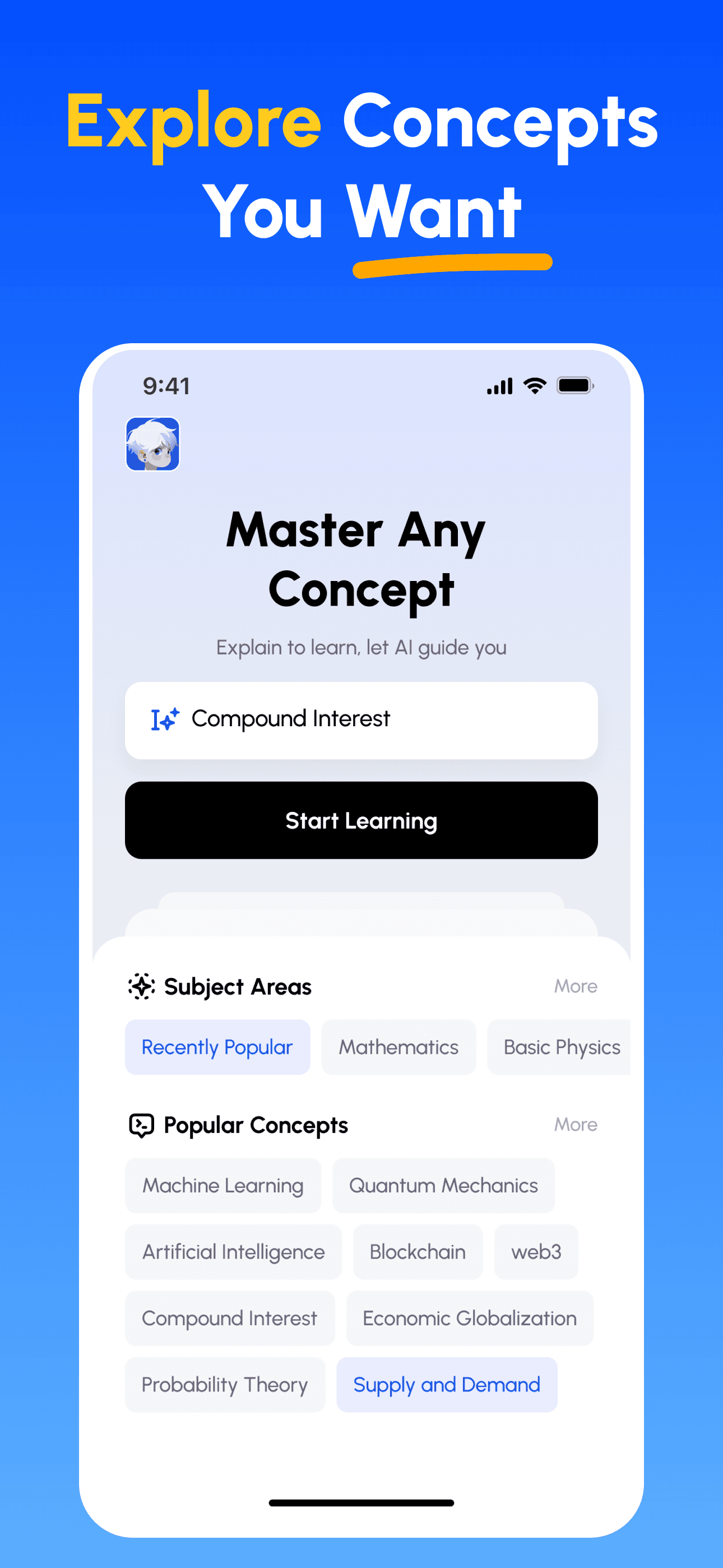
- 학습 목표 선택: 이공계, 비즈니스, 인문학, 전문 기술 등 수백 가지 개념 중에서 선택하세요. 복잡한 주제를 관리하기 쉬운 단위로 분해합니다.
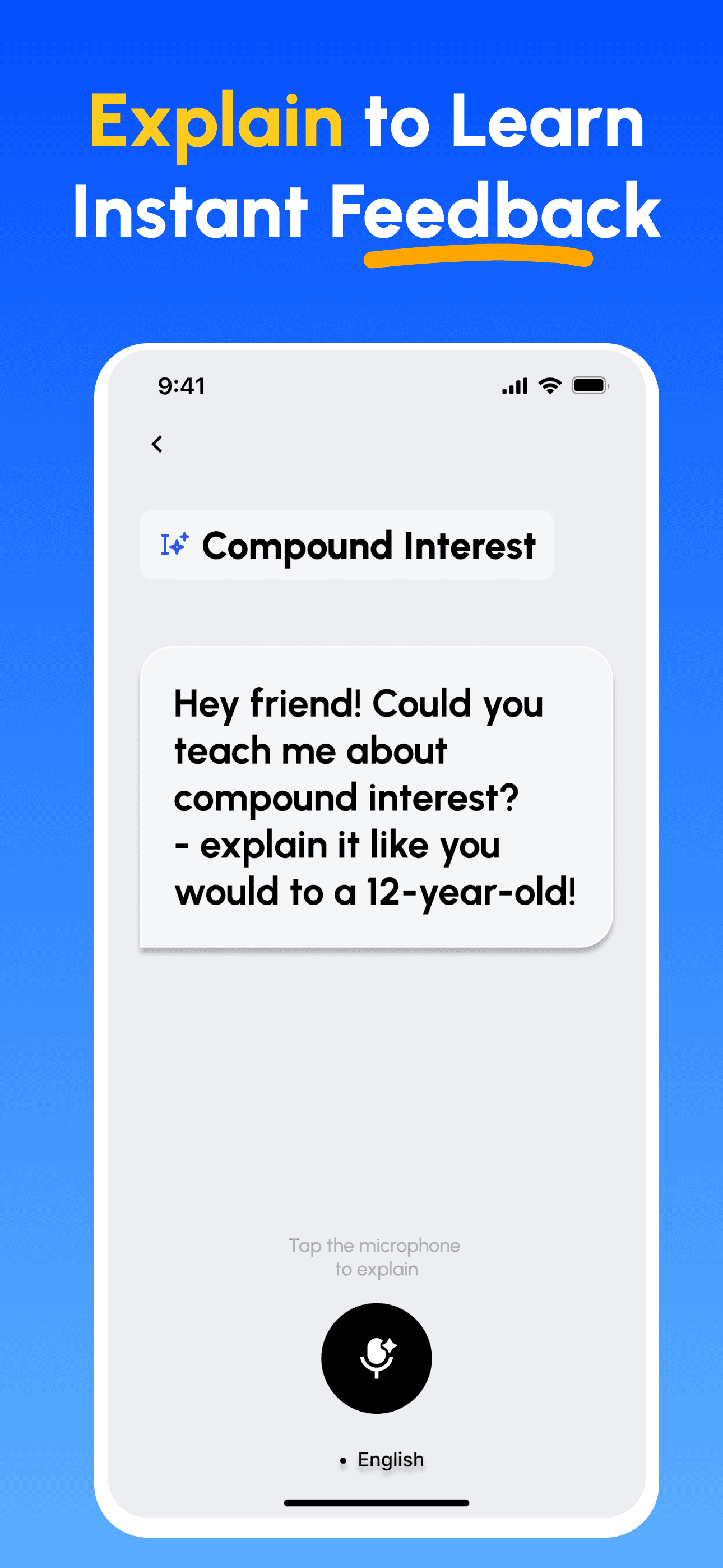
- 가르치면서 배우기: AI 기반 플랫폼을 사용하여 다른 사람을 가르치듯이 개념을 설명하세요. 지식의 격차를 즉시 발견하고 보완합니다.
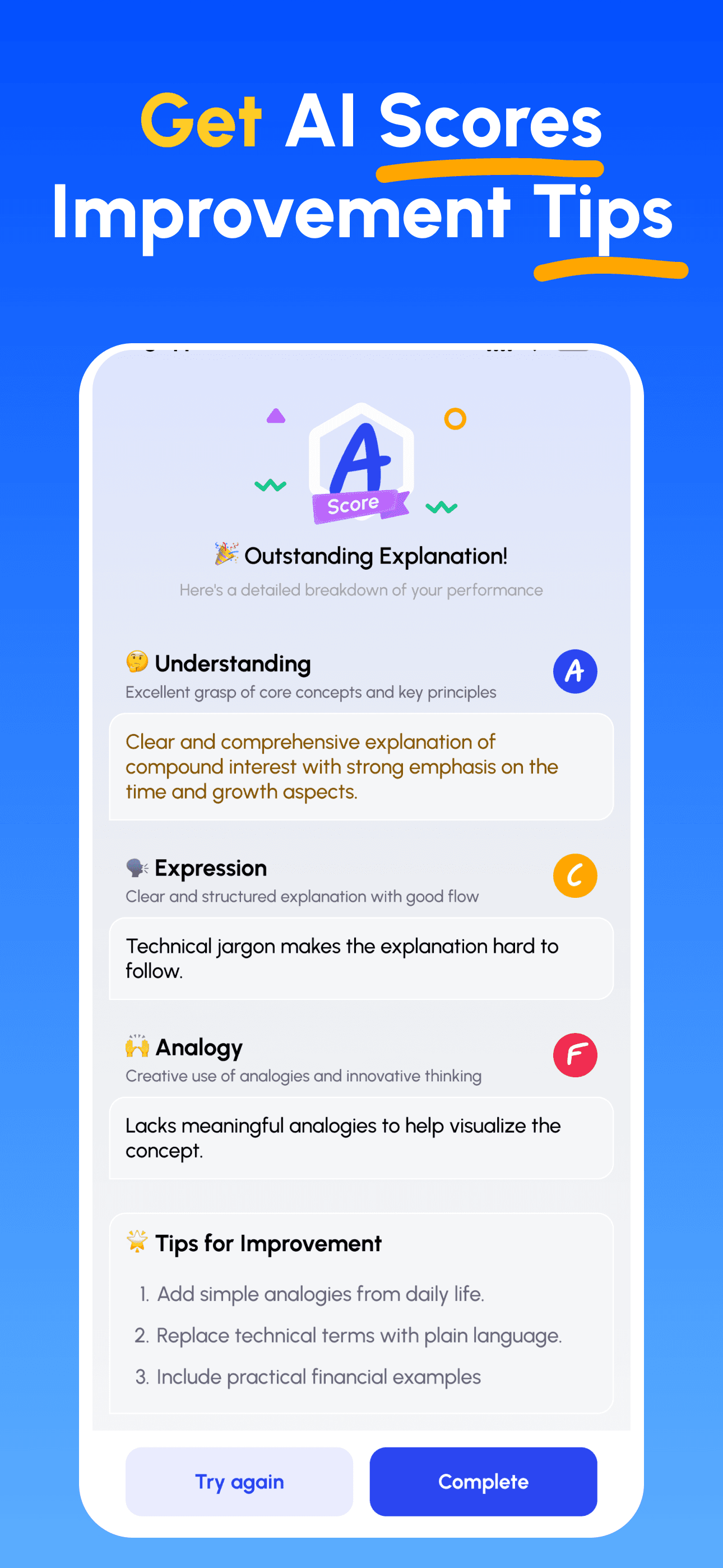
- AI 전문가 가이드 받기: 이해도, 설명의 명확성, 실제 적용 능력에 대한 즉각적이고 상세한 피드백을 받으세요.
- 점수 확인 및 개선: 타깃 팁을 따르고 설명을 다듬어, 간단히 가르칠 수 있을 때까지 반복하세요.
지금 파인만 AI 다운로드
더 나은 커뮤니케이션을 위한 여정을 오늘 시작하세요!